When Is a Dental Crown Necessary?
When Is a Dental Crown Necessary?
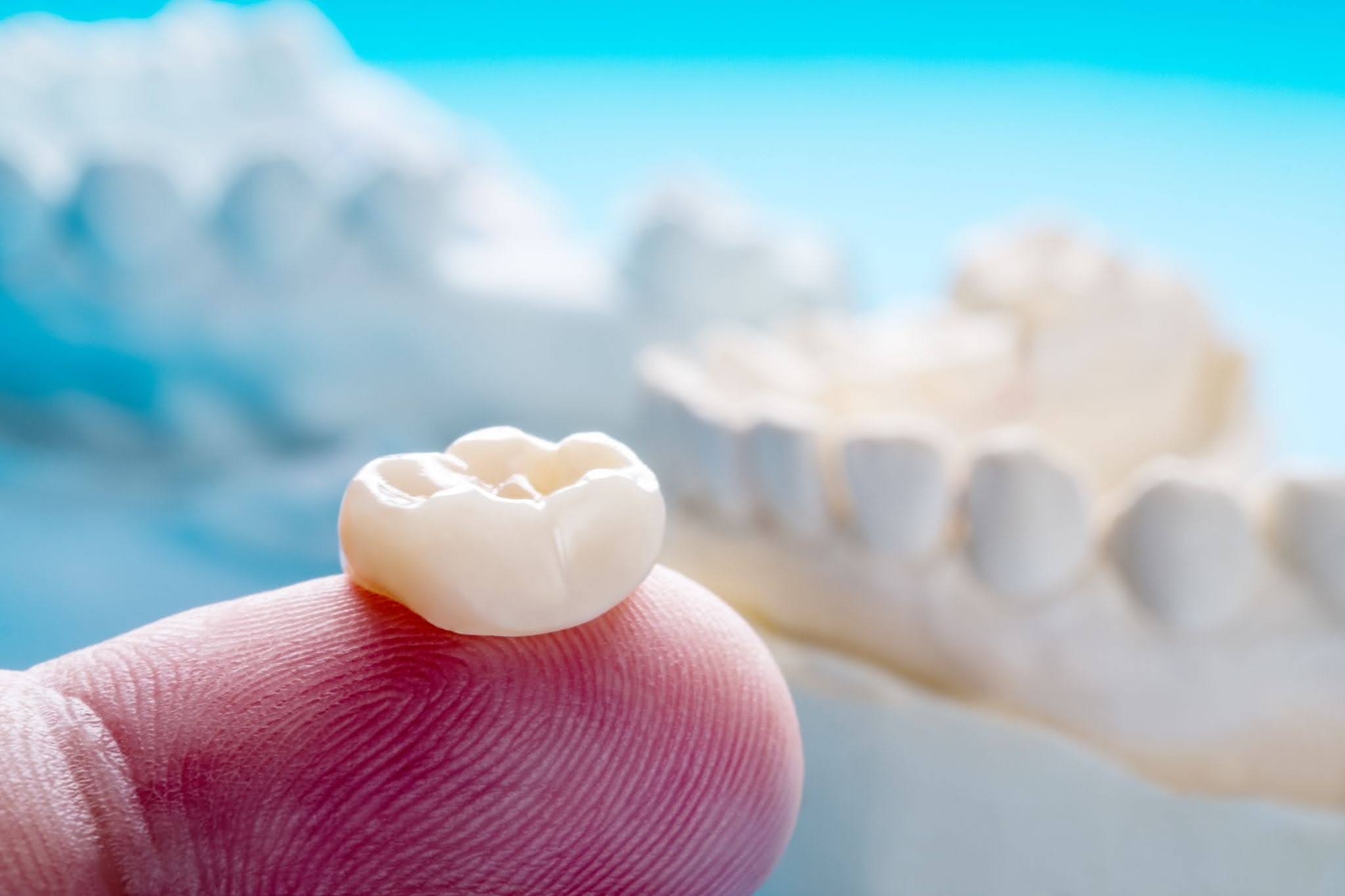
When Is a Dental Crown Necessary in Midlothian, TX?
A dental crown becomes necessary when a tooth has lost too much healthy structure for a filling to repair, when a crack puts the tooth at risk of splitting, or when a tooth that has already had root canal therapy needs long-term protection. At Soothing Dental in Midlothian, TX, Dr. John Vinton examines each tooth individually before recommending treatment, since moving too quickly toward a crown, or waiting too long, can both work against your oral health. This guide covers the most common reasons a crown gets recommended, how urgent that need typically is, and what you can expect once you decide to move forward.
This Article Will Address
• Signs that a filling is no longer holding up
• The dental conditions that typically call for a crown
• Whether a crown can save a cracked tooth
• Why a crown often follows root canal therapy
• How soon treatment should happen once a crown is recommended
When Is a Filling No Longer Enough?
Composite fillings stop being enough once decay or damage has spread beyond the point where the remaining tooth structure can support them. Fillings work well for small to moderate cavities, but they rely on there being enough healthy tooth left to bond to and hold everything together.
When decay wraps around more than half of a tooth's biting surface, or when a tooth that has already been filled once develops new decay underneath the old filling, a crown usually becomes the more reliable option. The same is true for teeth that have grown structurally weak from repeated dental work over the years. Each additional filling removes a bit more of the natural tooth, and at some point that tooth needs a cap that surrounds and reinforces what remains, rather than another patch over a hole.
Dr. Vinton looks at the size of the affected area, the strength of the surrounding tooth structure, and how the tooth functions when you bite down before recommending a crown over a filling. Many patients are surprised to learn a simple-looking cavity has actually progressed to the point where a crown will serve them far better in the long run.
Common warning signs worth mentioning at your next visit include a tooth that feels different when you bite down, sensitivity that lingers after hot or cold foods, or a visible line or dark spot spreading beneath an existing filling. None of these signs guarantee you need a crown, but they are exactly the kind of details that help Dr. Vinton figure out whether a filling can still do the job.
What Conditions Call for a Dental Cap?
A dental cap is typically recommended for teeth with extensive decay, significant wear, large old fillings that are failing, or breaks that affect both function and appearance. These situations share one thing in common: the tooth needs more coverage and support than a small, localized repair can provide. Beyond simple decay, common conditions include:
• Teeth severely worn down from years of grinding or clenching
• Teeth with fractures that go beyond a minor chip
• Teeth that are discolored or misshapen and need function and appearance restored together
• Teeth anchoring a dental bridge, since a crown supports the bridge in place
• Teeth restored with a dental implant, where a crown completes the visible portion of the new tooth
Because so many different situations point to the same treatment, the best way to know for certain is a hands-on exam. As part of our restorative dentistry services, that exam happens in a relaxed, spa-like setting designed to put you at ease rather than add to any dental anxiety you might already carry.
Can a Crown Protect a Cracked Tooth?
Yes, a crown restoration is often the most effective way to protect a cracked tooth from further damage, especially when the crack extends below the gum line or into the inner structure of the tooth.
Cracks tend to spread under the pressure of everyday biting and chewing, and once a crack reaches the inner pulp, the tooth is at real risk of infection or a complete fracture. A crown works by surrounding the entire visible portion of the tooth, spreading bite force evenly across the surface instead of concentrating it on the weak point. This containment is often what keeps a hairline crack from turning into a full break.
Not every cracked tooth needs a crown right away. Small surface cracks that cause no sensitivity may only need monitoring. But if you notice pain when chewing, sensitivity to temperature, or a crack you can see or feel, it is worth having Dr. Vinton evaluate the tooth before the damage has a chance to worsen.
Is a Crown Needed After Root Canal Treatment?
Yes, most teeth need a crown after root canal treatment, because the procedure leaves the tooth more brittle and prone to fracture than it was before.
During root canal therapy, infected or damaged pulp is removed from inside the tooth, which takes away some of the internal moisture and support that once kept the tooth resilient. Without that structure, a treated tooth is more likely to crack under normal biting pressure. A crown placed over the tooth restores its strength, seals it against bacteria, and lets you chew normally again without worrying about the tooth failing.
This is especially true for molars and premolars, which absorb the most force during chewing. Front teeth sometimes need less reinforcement, but Dr. Vinton will always confirm with an exam rather than assume every case is the same.
If you notice discomfort, a loose feeling, or a visible crack around a tooth that has already had root canal therapy, that is a sign the crown may need attention rather than something to watch and wait on. Catching a failing crown early is far simpler than treating the tooth underneath it once it becomes exposed again.
How Soon Should You Get a Crown Placed?
You should have a crown placed as soon as your dentist recommends one, ideally within a few weeks of your exam, since delaying treatment gives decay, cracks, or infection more time to spread.
A tooth that needs a crown is already compromised in some way, and waiting doesn't make that problem smaller. In many cases, putting off treatment means the damage progresses to the point where a simple crown is no longer enough, and more involved treatment, such as a root canal or even extraction, becomes necessary instead.
The good news is that modern crown treatment doesn't have to mean multiple appointments and weeks of waiting. At Soothing Dental, same-day crowns let most patients walk out with a finished, permanent restoration in a single visit, so there is little reason to put off care once a crown has been recommended.
Book Your Same-Day Crown Consultation at Soothing Dental
If you suspect you might need a dental crown, don't wait for the problem to get worse. Soothing Dental in Midlothian, TX offers same-day crowns in a relaxing, spa-like environment where your comfort matters just as much as your treatment. Whether you need general dentistry care or a specialized restoration, Dr. John Vinton and our team are currently welcoming new and returning patients and would love to help protect your smile for years to come. Call, email, or use our online contact form to schedule your consultation today.
Sources
American Association of Endodontists

RECENT BLOG POSTS

Dental Implant Restoration in Midlothian, TX: Timing and What to Expect

Dental Bridges vs. Dental Implants: Which Is Right for You?
When Is a Dental Crown Necessary?