Tooth Damaged - Save It or Replace It? How Dentists Decide
Tooth Damaged - Save It or Replace It? How Dentists Decide
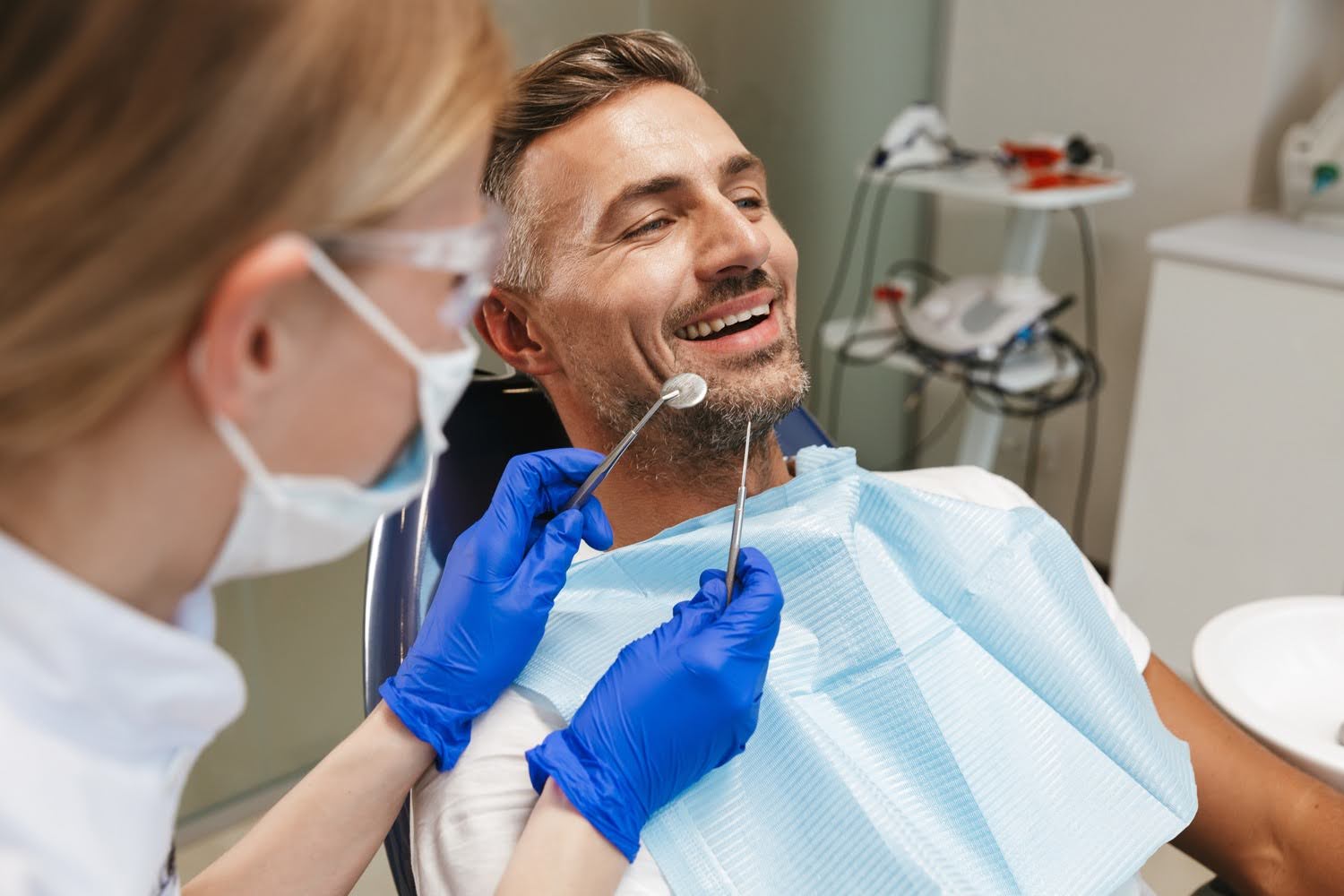
A damaged tooth can feel urgent, especially when you are dealing with pain, sensitivity, a visible crack, or uncertainty about what comes next. One of the most common questions patients ask is whether the tooth can still be saved or whether it needs to be removed and replaced. In many cases, the answer is not automatic. Dentists make that decision by evaluating how much healthy tooth structure remains, whether the root and surrounding support are still strong, whether infection or deep cracks are present, and whether the tooth can be restored in a predictable way for the long term.
At Soothing Dental, we believe treatment decisions should be thoughtful, personalized, and centered on your long-term oral health. Our Midlothian practice was designed to feel different from a typical dental office, with a spa-like atmosphere, modern technology, and a strong emphasis on comfort and personalized care. That philosophy matters when you are trying to decide whether to save a damaged tooth or move forward with replacement.
This Article will address
- How dentists evaluate a damaged tooth
- Whether severely damaged teeth can still be saved
- When tooth extraction becomes unavoidable
- Which restorative treatments may help preserve a natural tooth
- Why keeping a natural tooth is often the preferred option
- What happens if a tooth cannot be saved
- How Soothing Dental helps patients in Midlothian make confident treatment decisions
How Do Dentists Decide Between Repair and Replacement?
Dentists do not look at a damaged tooth and make the decision based on appearance alone. A tooth may look badly damaged and still be repairable, while another tooth may appear more stable but have hidden issues that make long-term success unlikely. The real question is not simply, “Is this tooth damaged?” It is, “Can this tooth be restored in a healthy, stable, and lasting way?”
That decision usually comes down to several factors. We look at how much natural tooth structure is still intact, whether the damage extends below the gumline, whether decay has reached the nerve, whether the tooth has a crack that affects its long-term strength, and whether the supporting bone and gum tissue are healthy enough to keep the tooth stable. Prior dental work also matters. A tooth that has already had multiple restorations may be weaker than a tooth being treated for the first time.
At Soothing Dental, our goal is to preserve what is healthy whenever possible while also being honest about long-term predictability. A short-term fix is not always the best answer if it leaves you facing another problem soon after. Because we offer restorative dentistry, same-day crowns, composite fillings, inlays and onlays, bridges, extractions, and endodontic care, patients can receive a more complete evaluation of their options in one place.
Can Severely Damaged Teeth Be Saved?
Yes, some severely damaged teeth can still be saved. The key is whether the remaining tooth and its supporting structures are healthy enough to build upon. A large cavity does not always mean a tooth has to come out. A fractured tooth does not always mean it is beyond repair. Even a tooth with infection may sometimes be preserved if the root remains sound and the damage can be addressed properly.
For example, a tooth with extensive decay may still be restored with a crown if enough healthy structure remains after the damaged portion is removed. A tooth with internal infection may be saved with root canal therapy and then protected with a restoration. A chipped or worn tooth may respond well to bonding, an inlay, an onlay, or a crown depending on the amount of support it needs.
This is why a proper dental exam matters. What you can see in the mirror is only part of the picture. Imaging, bite evaluation, and a close clinical assessment help determine whether a tooth can still function well after treatment. At Soothing Dental, we use modern dental technology and a personalized treatment approach to make those decisions with care and precision.
What Restorative Options Exist for Saving Teeth?
When a damaged tooth can be preserved, the right treatment depends on how much structure has been lost and what level of protection the tooth needs moving forward.
Dental Bonding or Composite Fillings for Smaller Areas of Damage
For more limited damage, composite fillings or bonding may be enough to restore the tooth. These options are often used when decay, small fractures, or worn areas affect only part of the tooth and the overall structure is still strong. The goal is to rebuild the damaged area while preserving as much natural tooth structure as possible.
Inlays, Onlays, and Same-Day Crowns for Stronger Protection
When a tooth needs more support than a filling can provide, inlays, onlays, or a crown may be recommended. These restorations help reinforce the tooth and protect it during everyday chewing. At Soothing Dental, same-day crowns are one of the restorative options available, which can be especially helpful for patients who want efficient care without sacrificing quality.
Root Canal Therapy When Damage Reaches the Inner Tooth
If decay, trauma, or infection reaches the inner portion of the tooth, root canal therapy may help preserve it. This treatment addresses the damaged internal tissue so the tooth can remain in place and then be restored for strength and function. Root canal therapy can often be an important step in saving a tooth that would otherwise be at risk of extraction.
Because no two teeth fail in exactly the same way, treatment should always match both the current damage and the long-term demands on that tooth. A back molar that handles heavy chewing forces may need more protection than a front tooth with a small chip. That is why individualized planning matters.
What Are the Benefits of Preserving a Natural Tooth?
When a natural tooth can be saved predictably, that is often the preferred option. Your natural teeth are designed to work together in balance. Preserving one tooth can help maintain your bite, support comfortable chewing, and reduce shifting in the surrounding teeth.
Keeping a natural tooth may also allow for a more conservative treatment path. Instead of removing the tooth and moving into tooth replacement planning, the focus stays on restoring what is already there. For many patients, that means protecting function and appearance while avoiding a more involved transition.
There is also a practical benefit to preservation. A healthy natural tooth helps support everyday comfort and familiarity. When treatment can maintain that tooth in a stable way, it often supports both oral health and confidence.
When Is Extraction Unavoidable?
Although dentists often try to preserve natural teeth when possible, there are situations where extraction becomes the healthier choice. This may happen when a tooth has a severe fracture below the gumline, when decay has destroyed too much of the tooth to rebuild it safely, when infection has compromised the root beyond predictable repair, or when bone loss has left the tooth without enough support.
Extraction may also be recommended when repeated treatment has failed and continuing to save the tooth would lead to more discomfort, instability, or ongoing expense over time. In those cases, trying to preserve the tooth may actually create more problems than it solves.
At Soothing Dental, extractions are part of the comprehensive care we provide, but removal is never presented as the default answer when a tooth still has a reasonable path forward. Our role is to help patients understand not just what can be done, but what makes the most sense for long-term health and comfort.
What Happens If a Tooth Cannot Be Saved?
If a tooth cannot be saved, the next step is to create a thoughtful plan for restoring your smile. The exact recommendation depends on the location of the tooth, your bite, your oral health goals, and the condition of the surrounding teeth and tissues.
In some situations, a dental bridge may be an appropriate way to replace the missing tooth. In other cases, a removable prosthetic option may be considered. Soothing Dental also provides dental implant restoration as part of its restorative services, which can play a role in a larger treatment plan when implant-based care is appropriate.
What matters most is that replacement planning should not feel rushed or confusing. If saving the tooth is no longer the right option, you should still feel confident that there is a clear path to restoring appearance, comfort, and function.
Why Might Two Dentists Recommend Different Treatments for the Same Tooth?
It can be confusing when one dentist believes a tooth can be saved while another recommends extraction. In some cases, both opinions may be based on valid clinical judgment. Dentists can differ in how they weigh risk, long-term predictability, structural concerns, and treatment goals.
One provider may take a more conservative approach and focus on preserving the tooth if there is still a reasonable chance of success. Another may place greater emphasis on long-term durability and recommend replacement sooner if the tooth appears likely to fail in the future.
That does not always mean one recommendation is right and the other is wrong. It often means the case is not completely straightforward. Patients should feel comfortable asking why a recommendation is being made, what the expected lifespan of the treatment may be, and what the alternatives are. Good dentistry includes clear communication as well as technical skill.
What Should You Ask Before Deciding to Save or Replace a Tooth?
Before moving forward with treatment, it helps to ask a few direct questions so you understand both the immediate recommendation and the long-term outlook.
- How much healthy tooth structure is left?
- Is this tooth likely to last with treatment?
- What are the risks of trying to save it?
- What happens if I wait?
- If the tooth cannot be saved, what are my next options?
- Which treatment best supports my long-term oral health?
These questions can help you move beyond the idea of a quick fix and focus on what will serve you best over time.
Why Choose Soothing Dental for Damaged Tooth Treatment in Midlothian, TX?
Choosing the right dental office matters when you are facing an important decision about a damaged tooth. At Soothing Dental, patients benefit from comprehensive care in a setting designed to feel calm, refined, and supportive. Our office offers a luxury, spa-like experience with a strong focus on personal comfort, modern dental technology, and thoughtful treatment planning.
Dr. John Vinton created Soothing Dental with the vision of giving patients a more relaxing and welcoming dental experience, and that philosophy continues to shape the way care is delivered. In addition to restorative dentistry, our Midlothian office offers same-day crowns, dental bridges, composite fillings, inlays and onlays, extractions, and endodontic services, allowing patients to explore multiple treatment paths with one trusted team.
When you are dealing with a damaged tooth, you deserve more than a rushed answer. You deserve a careful evaluation, a clear explanation of your options, and treatment that reflects your long-term health goals as well as your comfort.
Make a Confident Decision About Your Damaged Tooth
Not every damaged tooth needs to be removed, and not every damaged tooth can be saved. The right decision depends on a careful evaluation of the tooth’s structure, support, and long-term outlook. At Soothing Dental, we help patients in Midlothian, TX understand their options with clarity, compassion, and personalized care. If you are dealing with a cracked, broken, decayed, or previously treated tooth, schedule a visit with Dr. John Vinton and the Soothing Dental team to find out whether your tooth can be preserved or whether a replacement plan is the healthier path forward.

RECENT BLOG POSTS

Dental Implant Restoration in Midlothian, TX: Timing and What to Expect
Dental Bridges vs. Dental Implants: Which Is Right for You?
When Is a Dental Crown Necessary?