Dental Implant Restoration in Midlothian, TX: Timing and What to Expect
Dental Implant Restoration in Midlothian, TX: Timing and What to Expect

If you have just had an implant placed, or you are weighing the idea, the first question on your mind is probably timing. Here is the short answer: most patients wait three to six months between implant placement and the day their permanent crown goes on, and the exact dental implant restoration timeline comes down to how quickly your jawbone heals. At Soothing Dental in Midlothian, TX, Dr. John Vinton walks every patient through each stage of the process so you always know what is happening and what comes next.
That wait is worth it. A dental implant is not just a cosmetic fix, it is a new tooth root that needs to fuse solidly with your jaw before it can support a crown built to last for decades. Rushing that step would undermine the whole point of choosing an implant over other restorative dentistry options like a bridge or a partial denture, both of which can wear out or need adjustment far sooner than a properly integrated implant.
This Article Will Address
• How soon your crown goes on after implant surgery
• What happens at the restoration appointment itself
• Whether your crown is custom made for your smile
• How many total appointments the process takes
• What speeds up or slows down healing
How Long After Implant Surgery Is the Restoration Placed?
Most patients wait between three and six months after implant surgery before the permanent crown is attached. That window exists because the titanium implant post needs to fuse with the surrounding jawbone through a process dentists call osseointegration, and that biological process cannot be rushed with technology or willpower. Your body needs time to grow new bone tightly around the implant so it becomes a stable, permanent foundation strong enough to support daily biting and chewing forces for years to come.
During this healing period, our team monitors your progress with periodic follow-up visits before we ever move forward with your implant treatment. We are looking for clear signs that the bone has properly bonded to the implant, not just that the surgical site looks calm on the surface. Placing a restoration too early, before the implant is fully integrated, risks the whole treatment failing, so patience at this stage genuinely protects what you have invested, both financially and in terms of your time. The lower jaw tends to heal a bit faster than the upper jaw because of differences in bone density between the two, and factors like your overall health can shift the timeline in either direction, which we cover in more detail below.
What Happens During the Restoration Appointment?
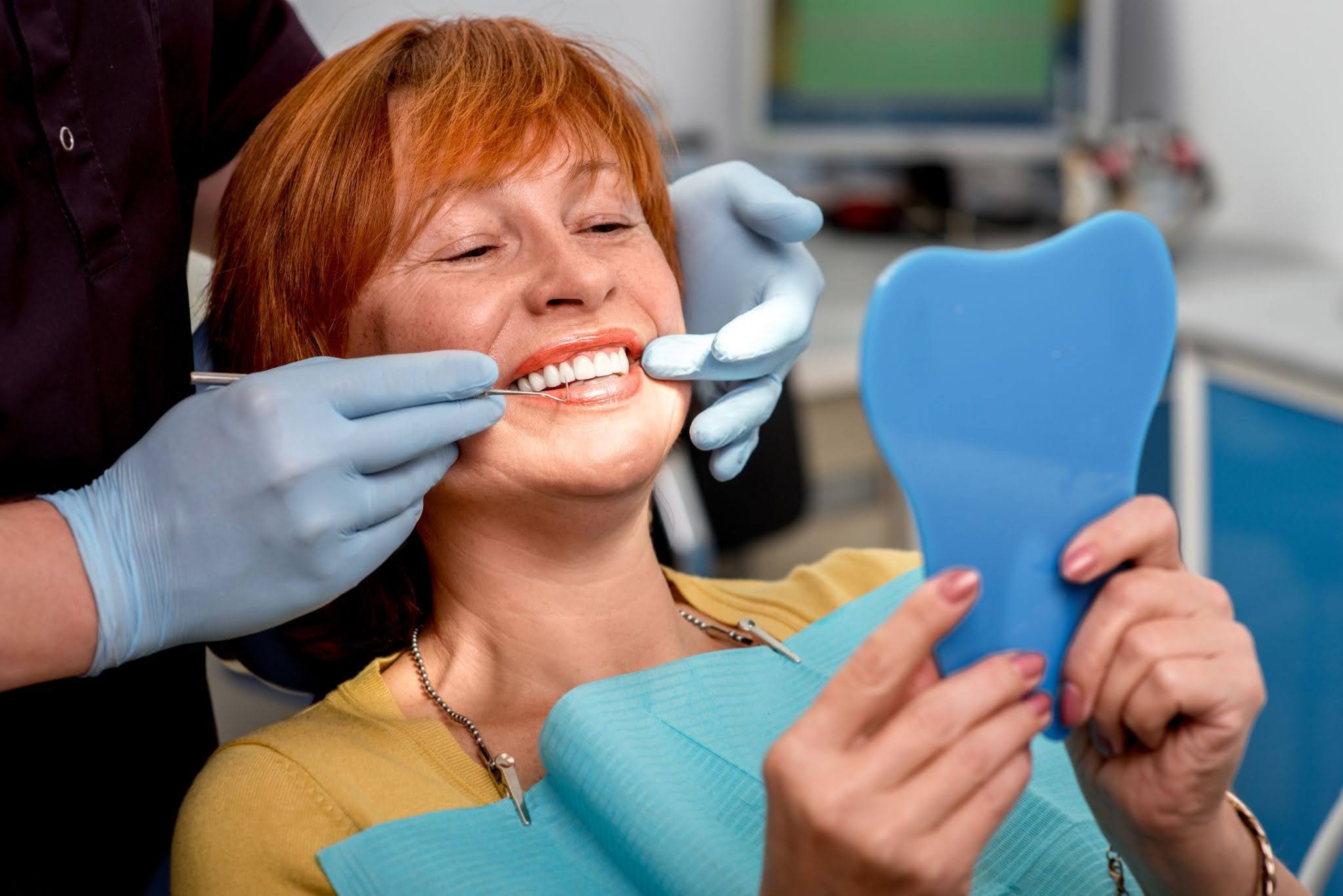
At your restoration appointment, Dr. Vinton first confirms that your implant has fully fused with the jawbone and that the surrounding gum tissue looks healthy. Once he is satisfied that healing is complete, the visit moves through a few defined steps.
• Digital imaging of the implant site to confirm fit and positioning
• Attachment of a small connector piece called an abutment onto the implant post
• Digital scanning or a traditional impression to design your custom crown
• Fitting and permanently bonding the finished crown once it is ready
Because Soothing Dental is built around comfort as much as clinical precision, this appointment happens in the same relaxed, spa-like setting patients experience for every other visit here, never a rushed clinical checklist. You will have a chance to relax beforehand, ask questions, and see exactly what your new tooth will look like before anything is permanently bonded into place. Depending on your case, some of these steps happen the same day, while a lab-fabricated ceramic crown may need a short turnaround before it can be bonded into place.
Are Implant Crowns Custom Made?
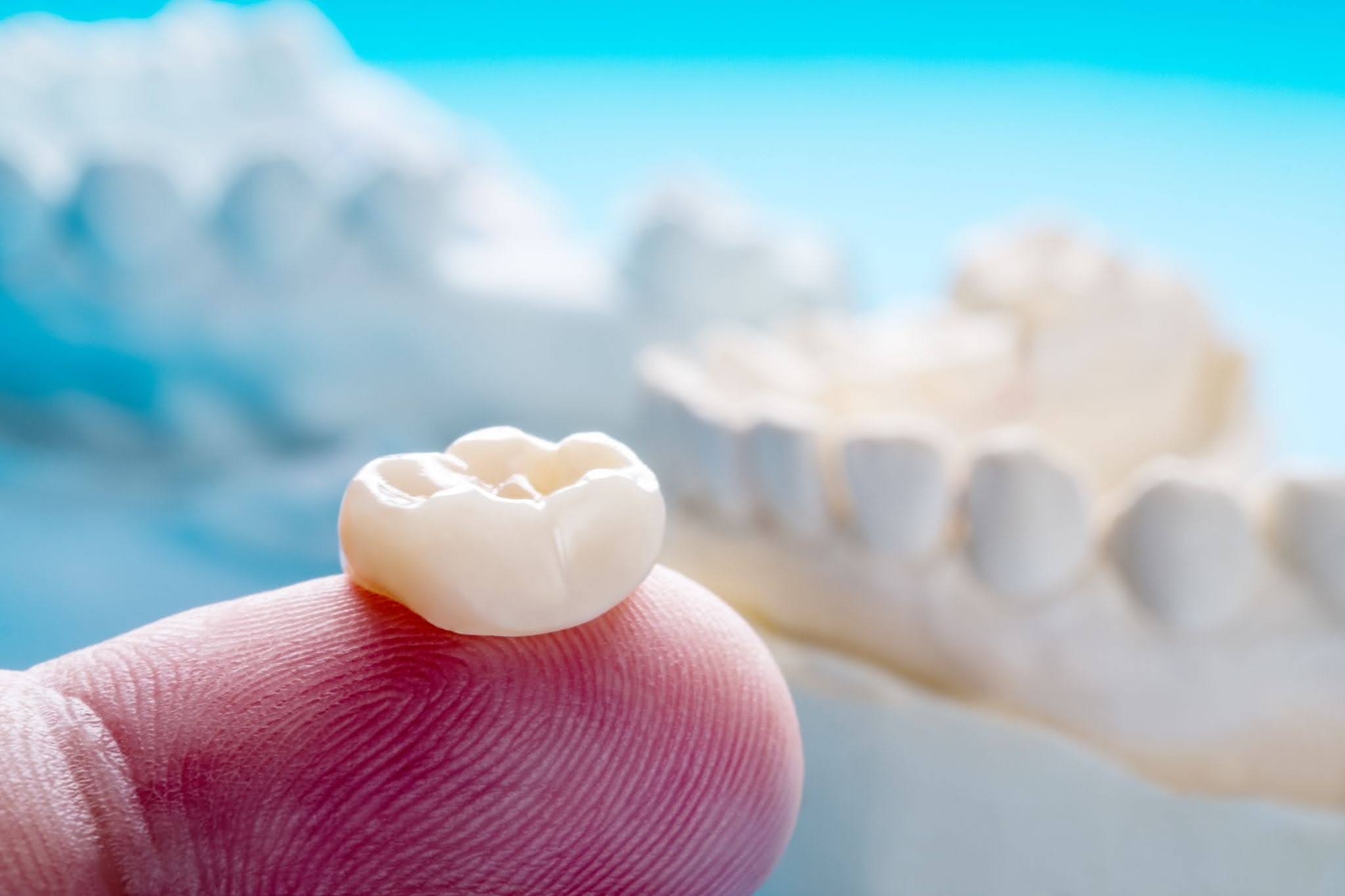
Yes. Every implant crown at Soothing Dental is custom designed to match the size, shape, and shade of your natural teeth, so it blends in rather than standing out. Dr. Vinton uses digital imaging to capture the exact contours of your bite and the surrounding teeth, and that data guides the design of a crown built specifically for your mouth rather than a generic, off-the-shelf shape.
In some cases, our same-day CEREC crown technology allows a custom ceramic crown to be designed and milled right here in the office, cutting out the wait for an outside dental lab entirely. That same technology is also used for our same-day crown patients who need a new crown on a natural tooth, not just an implant. Whether your final crown is milled same day or crafted through a lab, the goal stays the same: a restoration that looks natural, fits precisely, and holds up to years of everyday chewing without needing frequent adjustment.
How Many Visits Does the Process Require?
On average, the full implant restoration process takes about three main appointments after the surgical placement itself, though your exact number may vary depending on how your body heals and whether any complications come up along the way.
• An initial healing-check visit a few weeks after surgery to confirm early progress
• A follow-up exam once osseointegration is expected to be complete, to verify the implant is ready to be restored
• The restoration visit itself, where the abutment and crown are placed
Some patients need one additional visit if a same-day crown is not the right fit for their case and a lab-made crown needs to be seated separately once it arrives, or if minor adjustments are needed for a comfortable bite. We will map out your specific number of visits during your consultation so there are no surprises along the way, and so you can plan your schedule accordingly.
What Affects Healing and Timing?
Several factors influence how quickly your implant integrates with the jawbone and when you are ready for your permanent crown.
• Bone density and quality at the implant site
• Overall health conditions such as diabetes that can slow healing
• Smoking or tobacco use, which significantly slows osseointegration
• How closely you follow post-surgical care instructions
• Whether a bone graft was needed before or during implant placement
Patients in good general health with strong jawbone density often heal on the faster end of the three-to-six-month range, while those who needed additional bone support beforehand may take a bit longer to reach the same result. Sticking to good oral hygiene, brushing and flossing as directed, and keeping every follow-up appointment all play a real role in keeping your treatment on schedule. Skipping checkups or ignoring aftercare instructions is one of the most common reasons a straightforward case ends up taking longer than expected, so we encourage every patient to treat those follow-up visits as seriously as the surgery itself.
Schedule Your Implant Restoration Consultation Today
You should not have to guess your way through implant treatment. At Soothing Dental, we believe every patient deserves a clear, comfortable path from that first consultation to the day their new smile is complete, delivered alongside the full range of dental services we provide. Our Midlothian, TX office is open and welcoming new and returning patients who are ready to talk about dental implant restoration and what their own timeline might look like. Contact Soothing Dental today to schedule your consultation with Dr. Vinton and find out exactly what your personal timeline will look like.
Sources
• Dental Implants: What You Should Know (FDA)

RECENT BLOG POSTS
Dental Implant Restoration in Midlothian, TX: Timing and What to Expect
Dental Bridges vs. Dental Implants: Which Is Right for You?
When Is a Dental Crown Necessary?