Dental Bridges vs. Dental Implants: Which Is Right for You?
Dental Bridges vs. Dental Implants: Which Is Right for You?
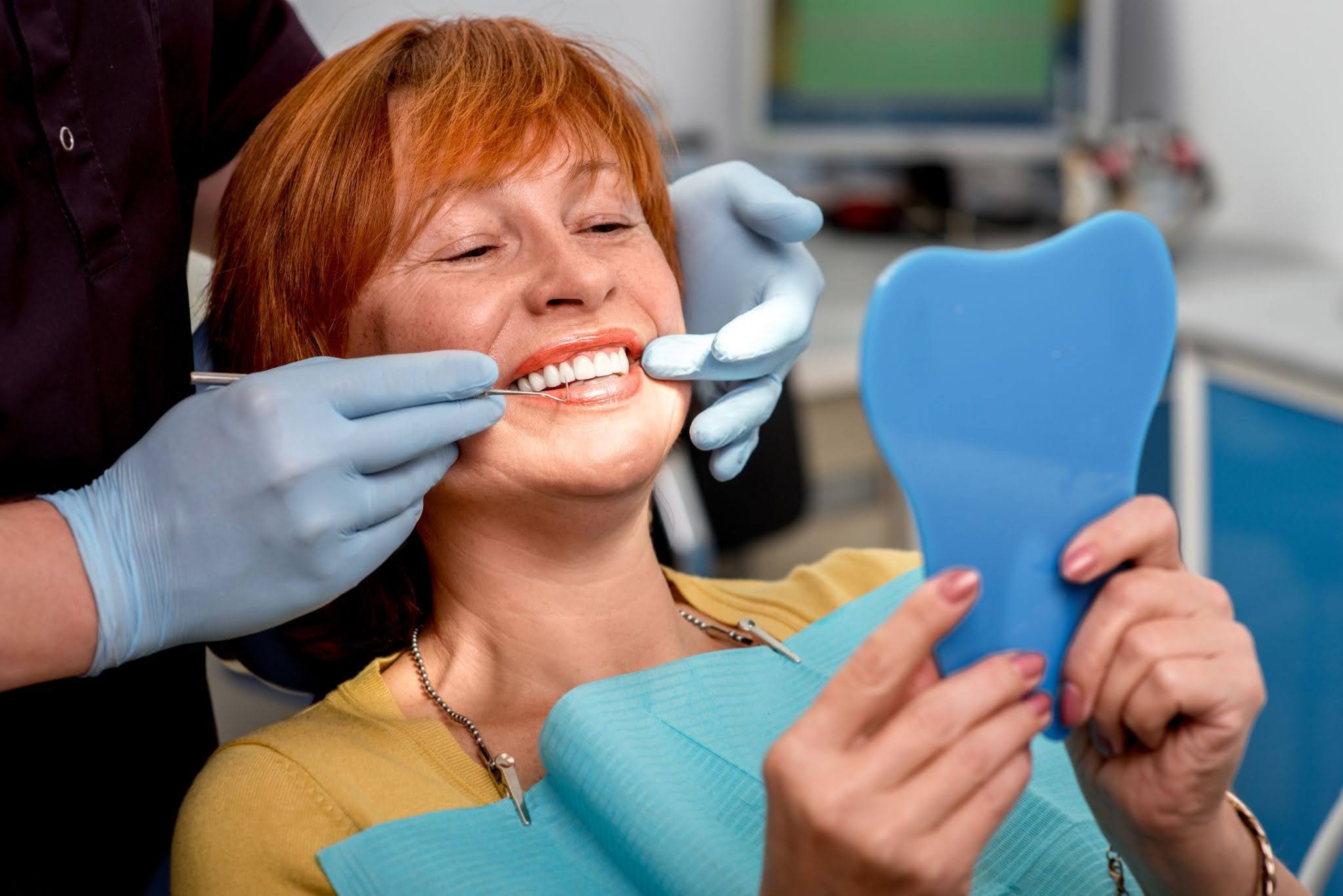
If you are missing one or more teeth, here is the short answer: dental implants generally offer the strongest, longest-lasting result, while dental bridges provide a faster, non-surgical alternative that still restores your smile beautifully. Neither option is universally better. The right choice depends on your bone health, the condition of the teeth next to the gap, your timeline, and your comfort level with a surgical procedure. At Soothing Dental in Midlothian, TX, Dr. Vinton and our team walk you through both options in a relaxed, spa-like setting so you can make a confident decision about restoring your smile.
This Article Will Address
● The core differences between a bridge and an implant
● Which option tends to last longer
● The factors that shape which choice fits your smile
● Whether a bridge is really less invasive than an implant
● How Dr. Vinton helps patients choose the right path forward
What Is the Difference Between a Dental Bridge and a Dental Implant?
A dental bridge replaces a missing tooth by anchoring an artificial tooth to the healthy teeth on either side of the gap, while a dental implant replaces the entire tooth, root included, using a titanium post placed directly into the jawbone. The two treatments solve the same problem in very different ways, and understanding that difference is the first step toward choosing the one that fits your smile.
● A bridge relies on your neighboring teeth for support, so those teeth are reshaped and fitted with crowns to hold the replacement tooth in place
● An implant relies on your jawbone for support, so healthy neighboring teeth are left untouched
● A bridge sits above the gum line and is held in place by the surrounding teeth
● An implant is placed below the gum line and gradually fuses with the bone over several months, creating a stable foundation
Both restorations can look natural and function well day to day, but the way they anchor to your mouth is what sets them apart, and that difference carries through to how long each one lasts and how your other teeth are affected over time.
Which Option Lasts Longer, a Bridge or an Implant?
Dental implants tend to last the longest of the two, often serving patients for decades with proper home care and regular checkups, while a well-maintained bridge typically lasts somewhere between ten and fifteen years before it needs to be replaced. The reason comes back to how each restoration is anchored. Because an implant fuses directly with the jawbone, it functions much like a natural tooth root and does not wear down the way a bridge can. A bridge, on the other hand, depends on the strength and health of the abutment teeth supporting it, and those teeth can weaken or develop decay underneath the crowns over time, which shortens the bridge's lifespan.
That said, a bridge that is properly cared for, brushed and flossed daily, and checked twice a year by our hygienist, Haleigh Stanley, RDH, can still provide many years of reliable service. Longevity is important, but it is only one piece of the decision.
What Factors Influence the Right Choice for Your Smile?
The right choice comes down to a handful of personal factors that Dr. Vinton reviews with every patient during a consultation. No two smiles are alike, so no single answer applies to everyone.
● The amount of healthy jawbone available to support an implant
● The condition and strength of the teeth next to the missing tooth
● How quickly you would like to complete treatment
● Your comfort level with a minor surgical procedure and the healing period that follows
● Your overall oral health, medical history, and healing ability
● Whether you prefer a permanent, root-replacing solution or a more traditional restoration
Some patients are simply not candidates for one option or the other. For example, someone with insufficient jawbone density may need bone grafting before an implant is possible, while someone with weakened neighboring teeth may not be a good fit for a bridge. Cost is also worth discussing with our office, since dental insurance often covers a portion of either treatment and financing options are available to help make the process more manageable. Dr. Vinton evaluates each of these factors carefully as part of our restorative dentistry services before making a personalized recommendation, and he will never move forward with treatment until you fully understand your options and feel comfortable with the plan.
Are Dental Bridges Less Invasive Than Dental Implants?
Yes, dental bridges are generally less invasive than dental implants. Placing a bridge does not require surgery. Instead, your dentist gently reshapes the abutment teeth, takes impressions, and fits a temporary bridge while your permanent one is custom made. Depending on your candidacy, some patients at Soothing Dental can even receive a bridge in a single visit using our in-house CEREC technology.
An implant, by comparison, involves a minor surgical procedure to place the titanium post into the jawbone, followed by a healing period of several months while the implant fuses with the bone before the final crown is attached. This extra time and the surgical step are the tradeoff for the implant's durability and its ability to preserve the jawbone at the site of the missing tooth, something a bridge cannot do on its own.
How Does Dr. Vinton Help Patients Choose the Right Option?
Dr. Vinton starts every conversation about tooth replacement with a thorough exam and an honest discussion about what will genuinely serve your smile for the long run, not simply the fastest fix. A graduate of the University of Texas at Austin and Texas A&M University Baylor College of Dentistry, he brings over a decade of clinical experience to every consultation, paired with the kind of compassionate, unhurried attention that has made Soothing Dental feel more like a retreat than a typical dental visit.
During your consultation, Dr. Vinton reviews your bone structure, checks the health of the teeth surrounding the gap, and talks through your goals and concerns before recommending a path forward. He will explain the pros and cons of each option in plain language, answer every question you bring to the table, and make sure you understand what recovery and long-term maintenance look like before you commit to a treatment plan. You will never feel rushed into a decision here.
Part of what makes this process different at Soothing Dental is the setting itself. Instead of a clinical waiting room, you will check in and move to our relaxation room, a quiet space designed to ease any nerves before your appointment begins. That same spa-like philosophy carries into the treatment room, where our hygienist, Haleigh Stanley, RDH, and the rest of the general dentistry team focus on your comfort at every step, whether you are simply here for a consultation or returning for treatment. Between the calming environment, the attentive staff, and Dr. Vinton's straightforward explanations, patients consistently tell us they feel informed and at ease long before treatment ever begins.
Schedule Your Tooth Replacement Consultation Today
Whether a dental bridge or a dental implant turns out to be the better fit for your smile, the team at Soothing Dental is here to guide you through every step with the same personalized, spa-like care our Midlothian, TX patients have come to expect. We are currently welcoming new and returning patients and would love to help you take the next step toward a complete, confident smile. Call our office, send us a message, or fill out our online contact form to schedule your consultation with Dr. Vinton and find out which tooth replacement option is right for you.
Sources
● Cleveland Clinic: What's the Difference Between Dental Bridges vs. Implants?
● American Dental Association MouthHealthy: Bridges
● American Dental Association MouthHealthy: Implants

RECENT BLOG POSTS

Dental Implant Restoration in Midlothian, TX: Timing and What to Expect
Dental Bridges vs. Dental Implants: Which Is Right for You?
When Is a Dental Crown Necessary?